Why Water Works
Water imagery can soften the emotional weight of a room.
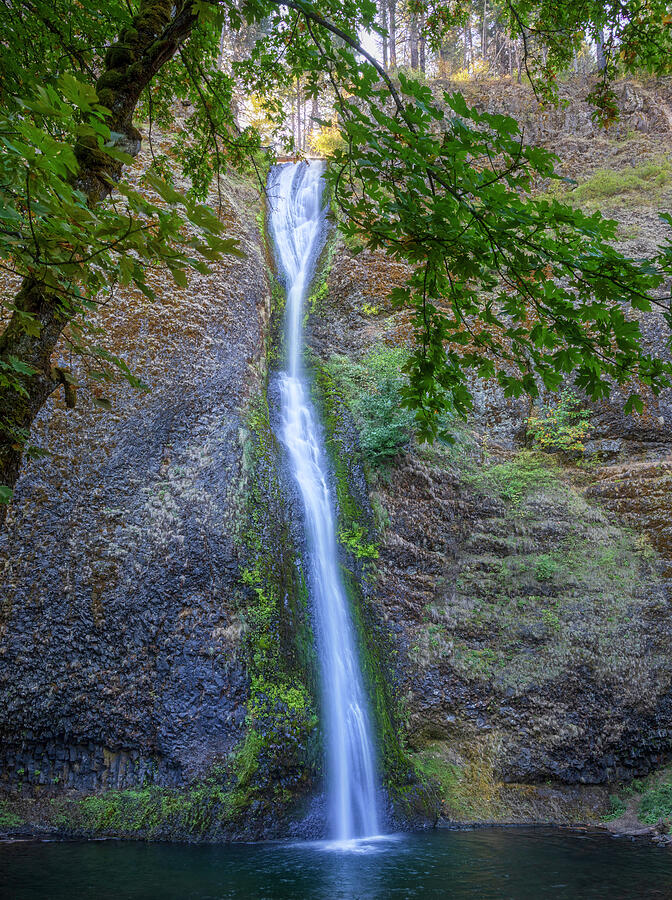
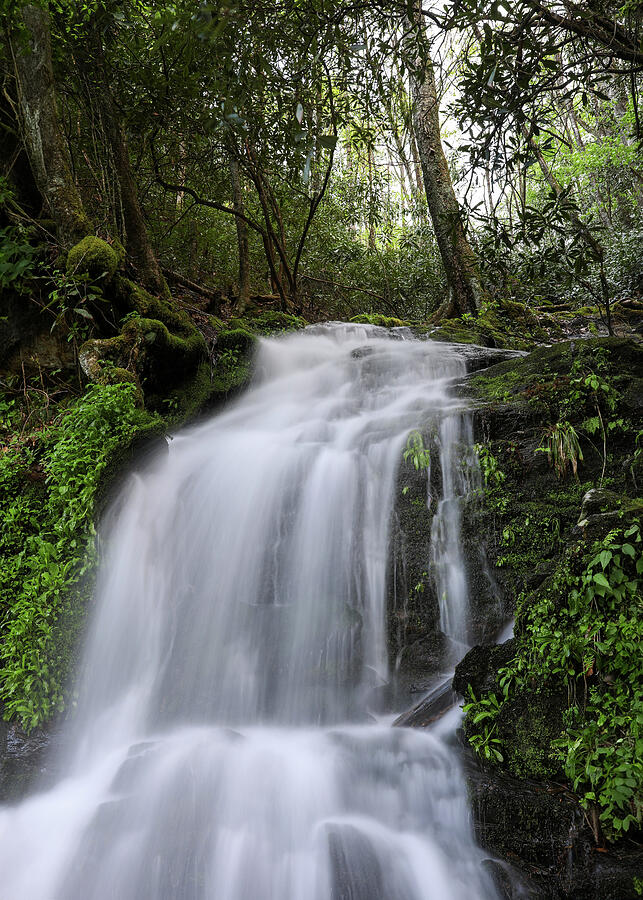
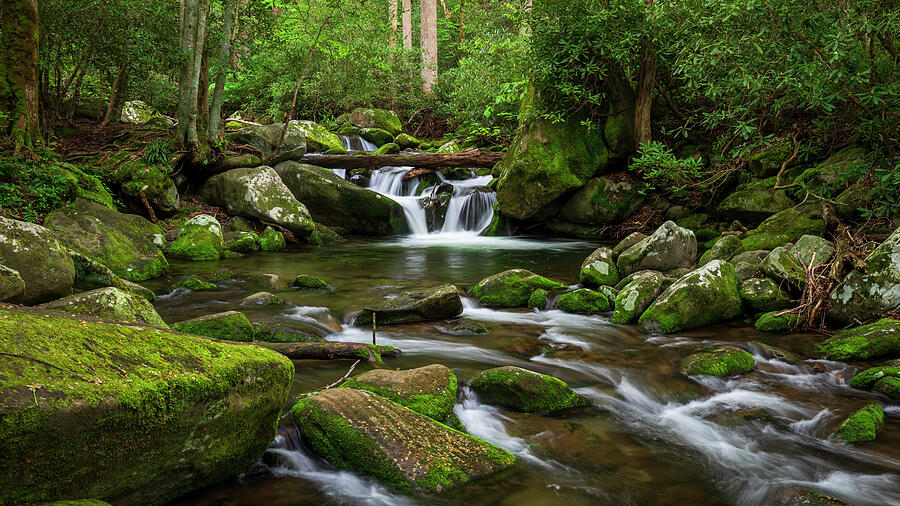
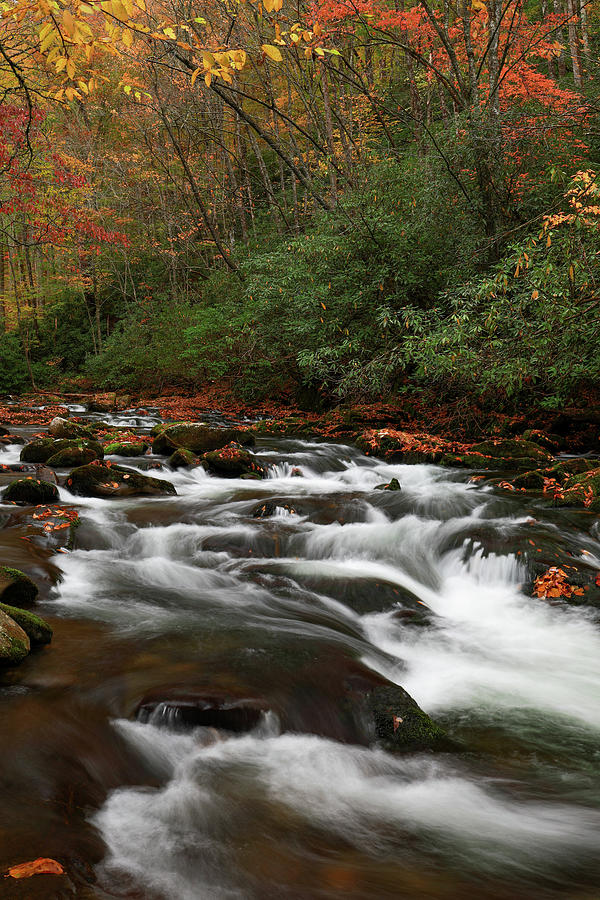
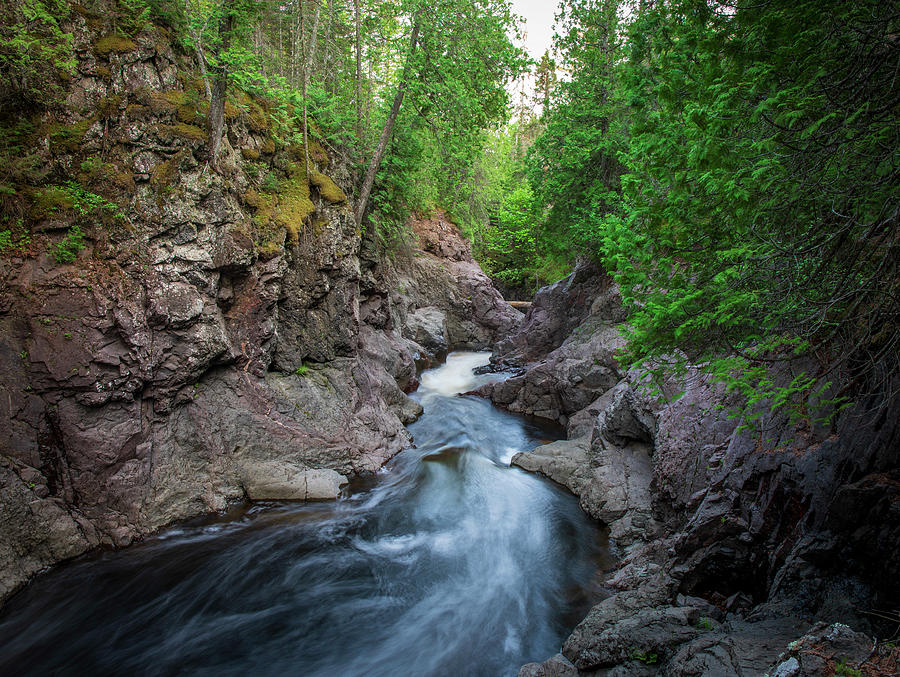
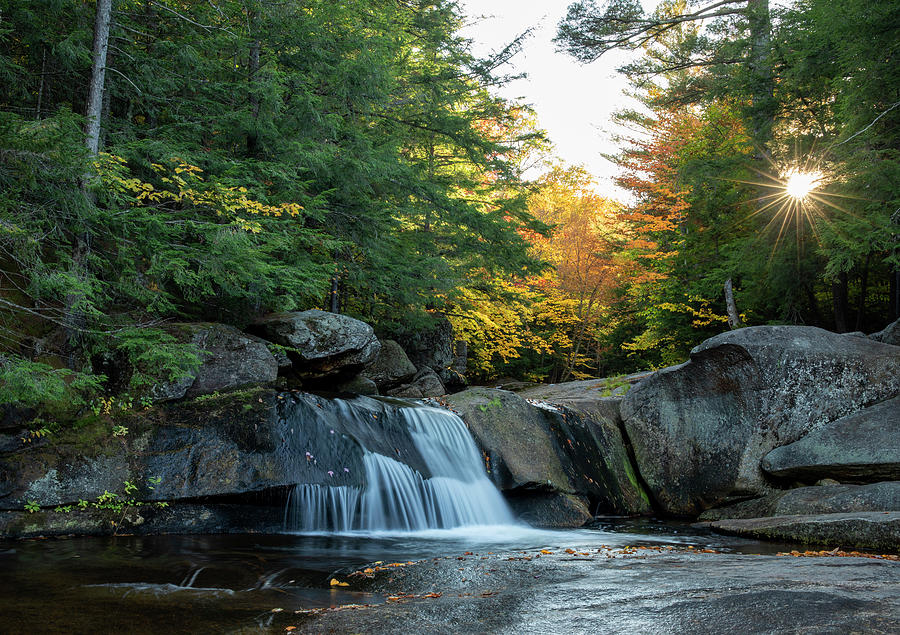
In a therapy office, the artwork is not there to perform. It is there to support the space. The room should feel safe, grounded, and easy to sit in for a while. That is why I usually look for water images with rhythm rather than spectacle: a stream moving through green forest, a soft waterfall, a quiet cascade, or a river scene with enough shadow to give the eye somewhere to rest.
I think about these images differently than I would a dramatic landscape for a cabin or a bold statement piece for a lobby. For therapy and counseling spaces, the image has to hold up quietly. It should be interesting enough to feel intentional, but calm enough that it never overwhelms the person sitting across from it.
For broader patient-facing spaces beyond private therapy rooms, I use the same restrained approach in my healthcare artwork planning, where calm water imagery, quiet forests, and low-distraction nature photography can support waiting rooms, consultation areas, wellness offices, and other healthcare interiors.
What To Avoid
Calming does not mean empty, but it should not feel tense.
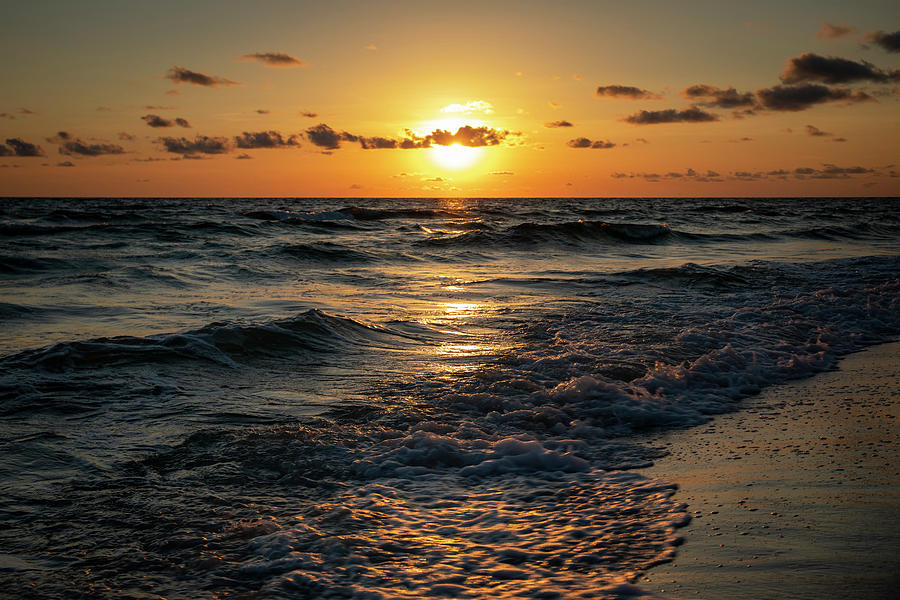
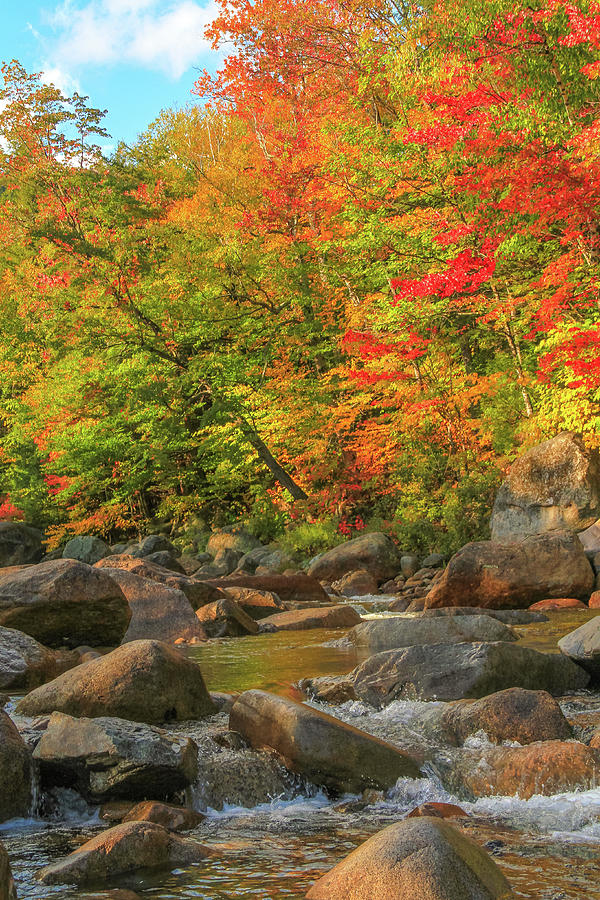
A therapy office can handle depth, shadow, and mood, but I would be careful with images that feel too stormy, cold, chaotic, or emotionally intense. High contrast waterfalls, crashing ocean waves, heavy skies, or overly saturated color can pull too much attention in a room meant for reflection and conversation.
If the image feels like it asks for attention every time you walk in, it may be too loud. The strongest therapy office artwork often works slowly: it adds calm, texture, and a sense of place without forcing a reaction.
Room Types
Different therapy spaces need different kinds of water imagery.
A private counseling room usually benefits from intimacy and warmth. A waiting room can handle a broader image that welcomes people into the space. A clinician's office may need something more structured behind a desk or seating area. A wellness room can lean softer, greener, and more restorative.
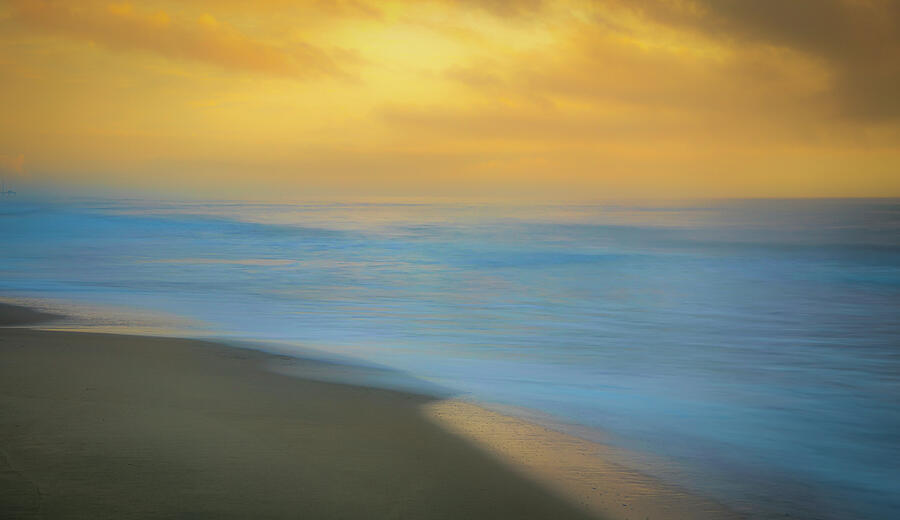
The four mockups below show how water artwork can shift depending on the room. Each image opens larger when clicked and includes a practical recommendation along with a purchase link for the print shown.
Size & Format
Choose the finish based on the room's purpose.
In private offices, framed prints and canvas usually feel the most natural. A framed paper print can feel refined and quiet, while canvas can soften a room and avoid too much glare. For busier waiting rooms or wellness spaces, a larger canvas, framed piece, metal print, or acrylic can work depending on lighting, cleaning needs, and the overall design direction.
- For a private therapy office, start around 24x36, 30x40, or one larger piece above a sofa or credenza.
- For a waiting room, use one larger anchor image rather than several small busy prints.
- For a clinician office, keep the composition clean enough to work behind a desk or seating area.
- For wellness rooms, softer greens, moss, water, and indirect light usually work better than dramatic contrast.
- When in doubt, send a room photo and wall dimensions before choosing the final size.
.jpg)